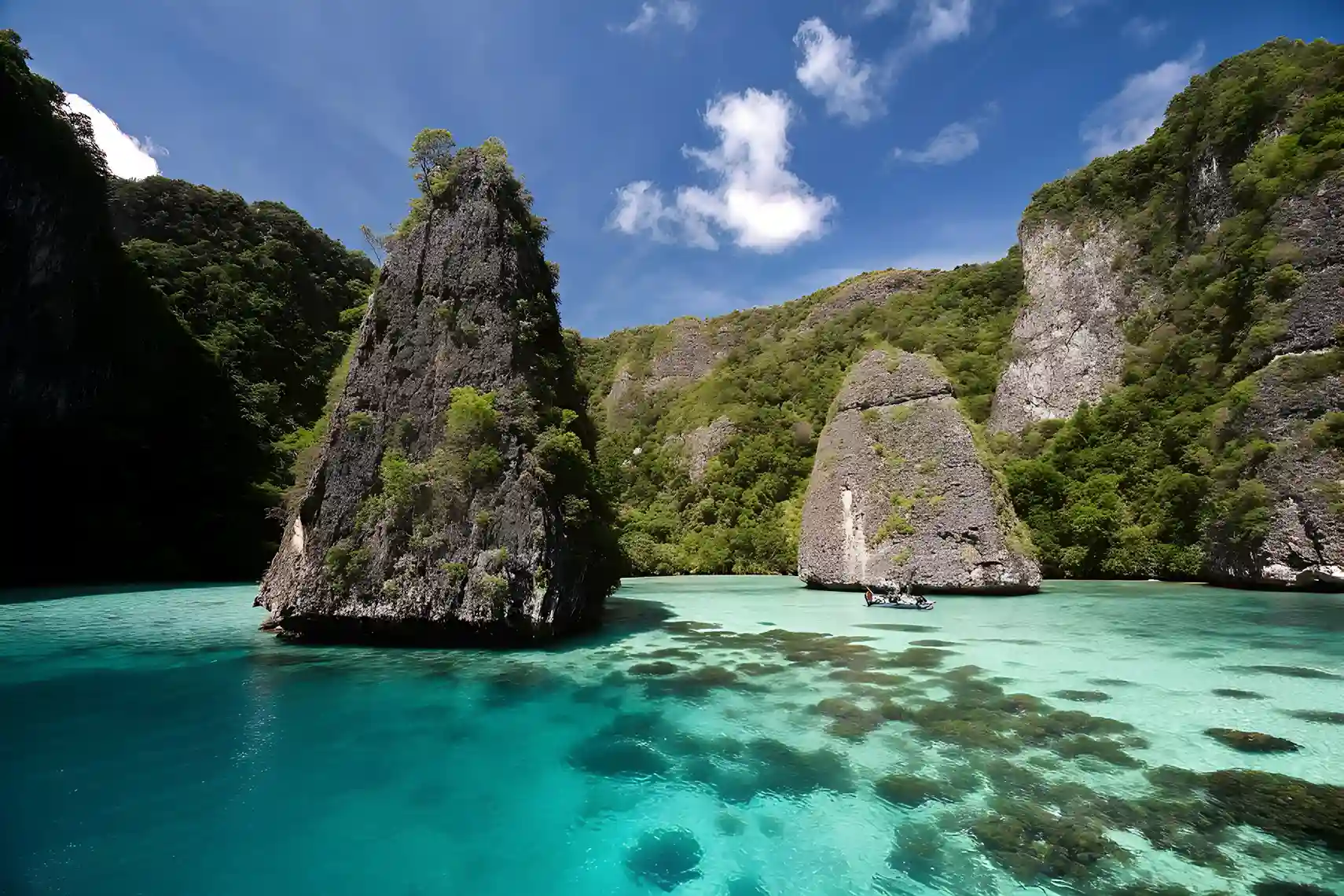
Decide what guidance means for your trip
Ask whether the guide stays with your group throughout the day, accompanies water activities, or joins only particular visits. Tell the planner which language you need and whether anyone wants additional help with boarding or swimming. These details shape the experience more clearly than a broad promise of a guided tour.
Keep the day balanced
A list of islands does not tell you how a day feels. Consider the time spent on the boat, the effort of a viewpoint walk and the chance to rest between activities. For first-time visitors, a smaller set of well-matched stops can be more rewarding than a route that leaves little time to enjoy each one.
Respect access and local context
Village visits, cave access and marine activities may need local coordination. Ask the planner what is appropriate for the proposed route and follow the guide’s instructions when circumstances change. Do not assume a published photograph means a place is accessible on every visit, or that an activity is suitable for every guest.
Your planning checklist
- Set your preferred pace and activity level.
- Confirm the guide language and daily role.
- Flag mobility or swimming concerns privately.
- Ask which stops depend on local access or conditions.
Good questions, clear answers.
Can a tour focus on scenery rather than diving?
Yes, request a non-diving itinerary with clear lagoon, island and snorkeling options.
Will every itinerary stop be guaranteed?
The written proposal should explain which parts are planned and how the operator handles conditions or access changes.
Planning references & context
Destination and product context checked against the following public sources. Current vessel, access and booking details must be confirmed for your trip.